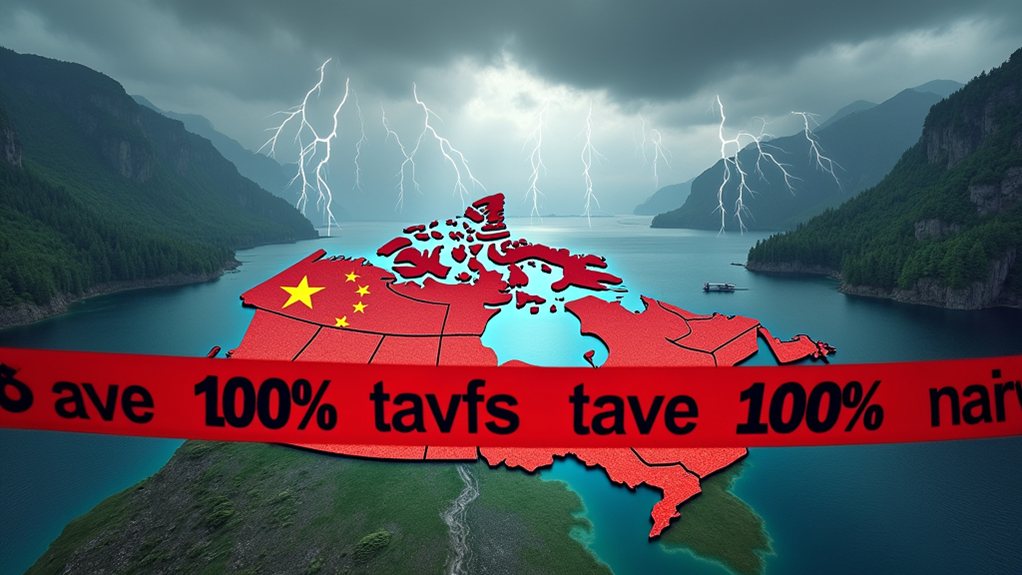

In recent months, the metal market has seen dramatic shifts due to the escalating trade tensions between the United States and China. The trade war intensified after former President Trump announced 100% tariffs on Chinese imports, which are set to start on November 1, 2025. By April 9, 2025, tariffs on Chinese goods had reached a staggering 104%. This led to notable market reactions. The S&P 500 dropped 2.7% after Trump’s comments, while the Dow Jones fell nearly 900 points in one session.
China’s dominance in rare earth production has been an essential factor in this trade conflict. It controls over 60% of the global rare earth market and holds nearly 90% of processing capacity. Rare earths are critical for many technologies, including smartphones and wind turbines. Trump accused China of using export restrictions on these materials as a strategy against the U.S. Average US tariffs on Chinese exports peaked at 127.2% in May 2025, reflecting the escalating tensions.
China’s control over rare earth production is crucial in the ongoing trade conflict, impacting technology supply chains significantly.
The steel market also felt the impact of the tariffs. Even with tariffs in place, China exported 892,000 metric tons of finished steel to the U.S. in 2024, showing a 5.5% increase from the previous year. Domestic steel mills produce about 75% of U.S. steel usage, indicating that while tariffs aim to protect local industries, they also create complexities in the market. Steel prices rose by 2% after tariffs were imposed in 2018.
Meanwhile, aluminum shipments to the U.S. dropped considerably since 2018, but prices still increased due to demand from electric vehicles and renewable energy.
While the tariffs are expected to shrink the U.S. GDP slightly and raise consumer prices, the broader economy continues to adapt. China’s exports of mechanical and electrical products rose by 7.5% in 2024, indicating resilience in the face of tariffs.
As trade tensions continue, the metal market remains volatile. Investors are watchful, knowing that any changes in tariffs or trade policies can cause swift shifts in metal prices, particularly gold and silver, which have seen rallies amidst these uncertainties.