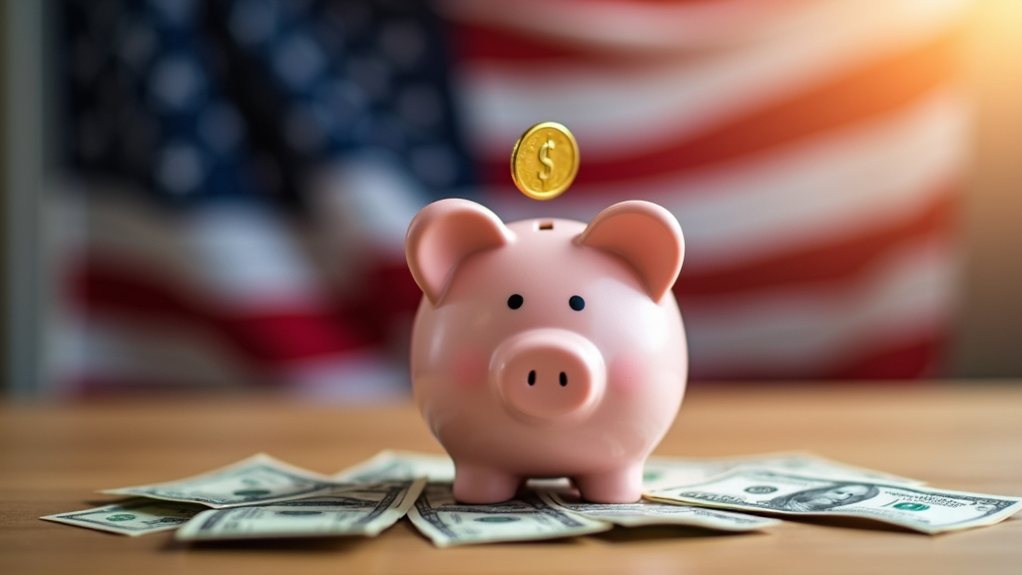

In a move aimed at boosting financial opportunities for future generations, the debate over Trump’s proposed $1,000 Baby Accounts is heating up. This initiative aims to provide a financial head start for U.S. citizens born between January 1, 2025, and December 31, 2028. Parents can open these accounts, regardless of their immigration status, by using IRS Form 4547 or an online portal.
The program includes an initial $1,000 seed deposit from the U.S. Treasury. Funds will be invested in U.S. equity index funds that track the stock market. Parents can also contribute up to $2,500 annually, with a total cap of $5,000 per year. Contributions from employers, relatives, or charities won’t count against this limit. Additionally, the U.S. Treasury will contribute $1,000 upon account opening, creating a solid foundation for these child accounts. Notably, the initiative includes a one-time $1,000 government seed contribution to help ensure that every child starts with a financial advantage.
Significantly, the maximum contributions could lead to over $303,800 by the time children turn 18, according to estimates.
The official launch is set for July 4, 2026, with contributions beginning in July 2026. Parents will receive information in May 2026. However, the funds will only be accessible when the account holder turns 18, which has raised concerns about immediate relief for families in need.
Many philanthropic donors have shown support for the initiative. Remarkable contributions include $6.25 billion from Michael and Susan Dell for low-income children and $75 million from Ray Dalio for kids in Connecticut. Corporations like Bank of America are also getting involved, matching $1,000 for eligible employees’ children.
Critics argue that while the program aims to support children in poverty, it locks away funds until they turn 18, delaying any immediate benefits. The debate continues, focusing on whether this initiative can truly help bridge the wealth gap and bolster capitalism in a time of rising socialist ideas.
As discussions unfold, the potential impact of the $1,000 Baby Accounts remains a hot topic across the nation.