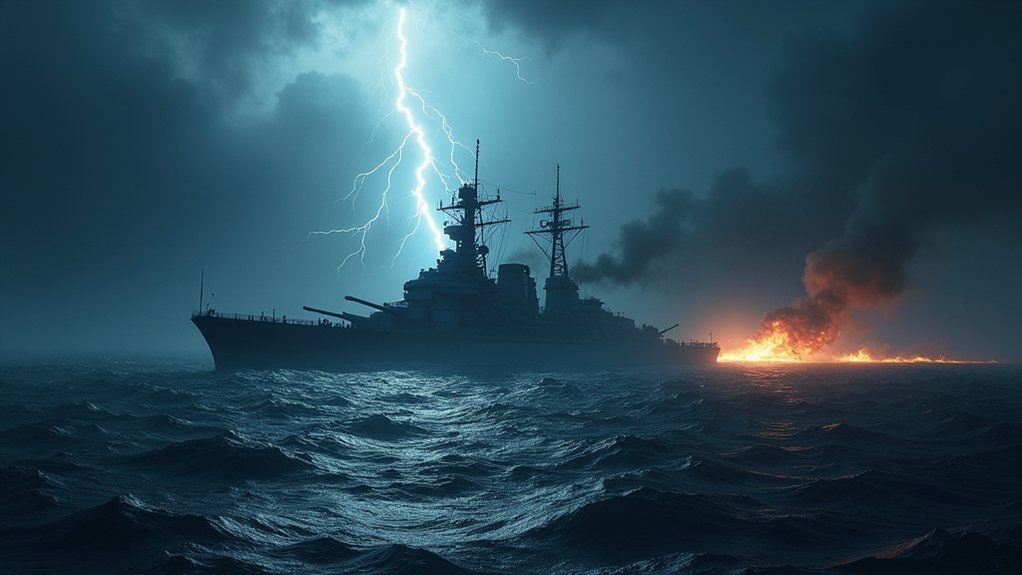

Iran has vowed to take action in response to recent threats from former President Donald Trump. Trump warned of “violence, if necessary,” against Iran and highlighted a “massive Armada” led by the USS Abraham Lincoln heading to the region. He stated that “time is running out” for nuclear deal negotiations and threatened that the next attack would be “far worse” than previous actions. He urged Iran to “come to the table” for a deal with no nuclear weapons.
Iran prepares to respond as Trump threatens violence and demands nuclear deal negotiations amid military buildup in the region.
In reaction, Iran’s UN mission expressed readiness for dialogue based on mutual respect but emphasized that they would defend themselves if pushed. They warned that they could respond “like never before” to pressure from the U.S. Iranian officials cited the U.S. wars in Afghanistan and Iraq, which cost $7 trillion and resulted in the loss of 7,000 lives. Foreign Minister Abbas Araghchi claimed that negotiations would be impossible under such threats and linked U.S. actions to past incursions in the Middle East.
In June 2025, the U.S. executed Operation Midnight Hammer, striking three Iranian nuclear sites with bunker-busting bombs and cruise missiles. Trump claimed these sites were “obliterated” and that Iran’s nuclear program was destroyed. He warned against any efforts by Iran to rebuild its nuclear capabilities.
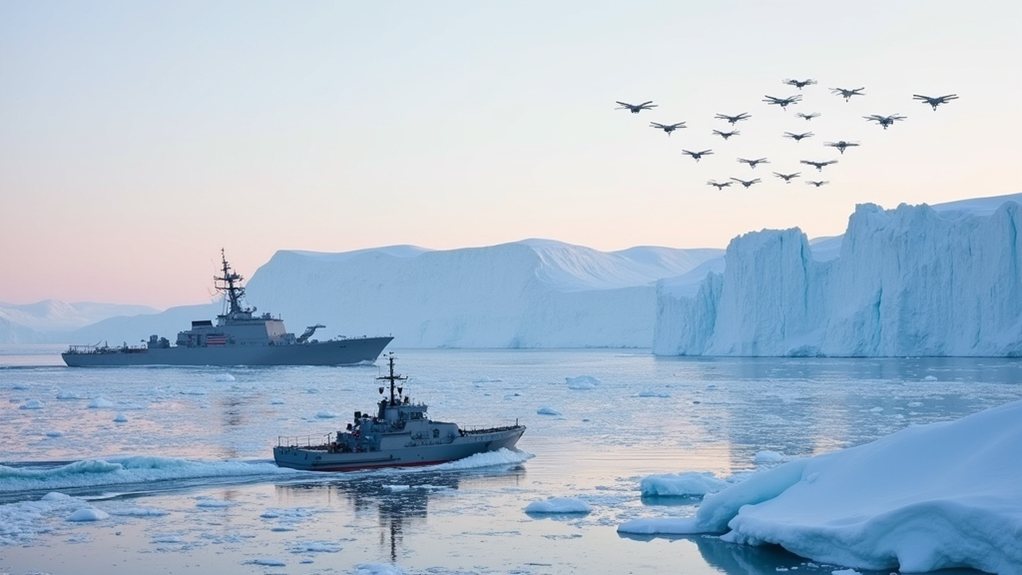
The U.S. military posture remains aggressive, with an armada larger than that sent to Venezuela. It includes 30,000 to 40,000 troops positioned to counter Iranian threats. This strong naval presence Secretary Rubio described this as a baseline for defending U.S. troops and Israel. US intelligence reports indicate no major fractures in Iran’s upper government ranks, underscoring the regime’s stability despite external pressures.
Amid these tensions, Iran faces internal challenges. Nationwide protests over economic conditions have weakened the regime. Reports indicate that thousands have died during the crackdown. Activists believe protests are likely to resume due to unaddressed grievances.
As the situation unfolds, experts note that Iran’s weakened state might be used to pressure for a new deal, while the complexities of regime change become apparent.