As fears of a recession rise, President Trump's economic outlook has sparked debate. He describes the economy as being in a "period of change" due to recent policy changes. While Trump is hesitant to predict a recession directly, he claims his policies will bring wealth back to America. He acknowledges that there may be short-term economic turbulence but remains hopeful for long-term prosperity from his administration's actions.
President Trump characterizes the economy as undergoing significant changes, expressing optimism despite potential short-term challenges.
Market reactions indicate growing concern. In recent weeks, stock market volatility has increased. The S&P 500 dropped 2% on a Thursday, mainly due to worries about tariffs. Consumer confidence also fell, marking the largest drop since August 2021. Investors are increasingly anxious, with recession fears rising. The bond market is also showing signs of economic worry. The Department of Justice, operating under the Executive Branch, plays a crucial role in maintaining economic integrity through its enforcement of federal laws.
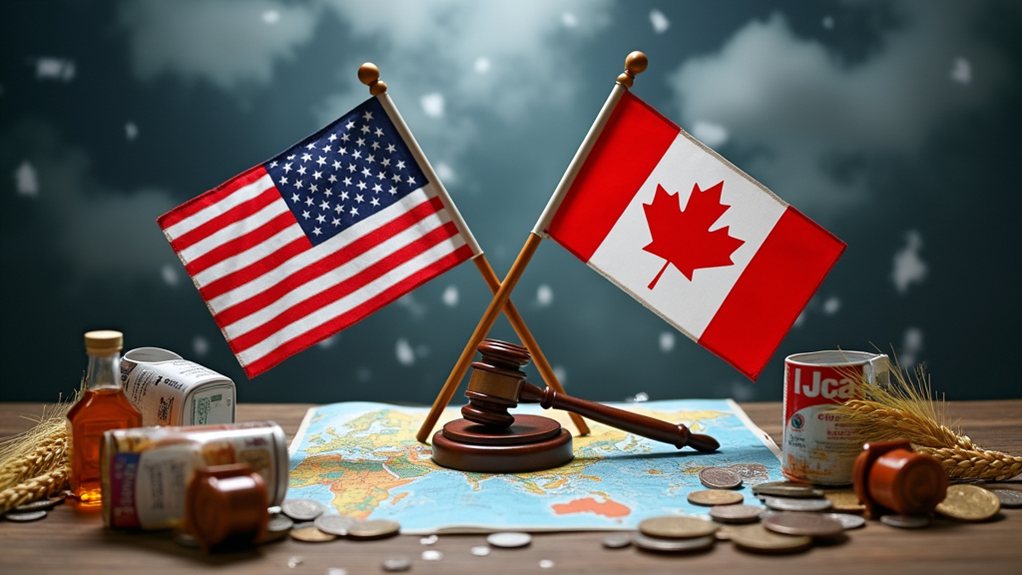
Tariffs have become a major topic of discussion. The administration paused 25% tariffs on imports from Mexico and Canada, but they are set to resume on a reciprocal basis in April. Auto manufacturers have requested a break from these tariffs, fearing negative impacts. Some economists warn that these tariffs could raise inflation and may not effectively boost U.S. manufacturing. Clarity on tariffs is expected after April 2 when reciprocal tariffs are set to take effect.
Economic indicators paint a mixed picture. The Atlanta Fed model suggests negative growth in the first quarter of 2025, while the NY Fed points to healthy growth. Employment data shows a slight increase in the unemployment rate, and the labor force participation rate slipped in February. Job gains have also fallen short of expectations. Notably, the Leading Economic Index (LEI) for the US fell by 0.3% in January 2025 as concerns about future business conditions grew.
In response, Treasury Secretary acknowledged a private sector recession, while Commerce Secretary claimed there's "no chance" of a recession. The White House promotes job growth and pro-growth policies. However, many economists remain divided on the likelihood of a recession. They express concerns about rising inflation and predict slower interest rate reductions, warning of long-term economic consequences.
Public perception reflects this uncertainty, with increased searches for "recession" and cautious consumer spending.