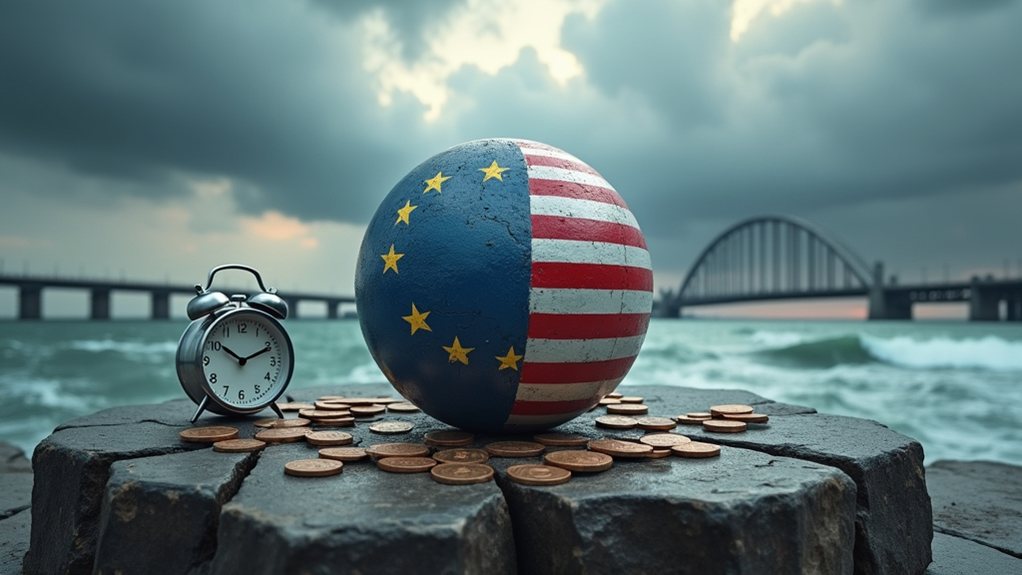
In recent years, America’s trade strategy has shifted dramatically. Under former President Trump, the focus moved to a transactional foreign policy. This approach prioritizes leverage over multilateral rules, which has led to increased economic nationalism. Tariffs have become hard-power tools, raising tensions in global trade. The shift from the post-World War II trading system has made trade rules less clear and predictable.
Tariffs have expanded considerably. The U.S. imposed Section 232 tariffs on steel, aluminum, vehicles, and other goods. Section 301 tariffs target China’s practices, raising costs for American businesses. As a result, supply chains have reshaped, and investigations into sectors like semiconductors and pharmaceuticals are underway. However, implementation delays and exemptions have softened some of these impacts.
Tariffs have surged, reshaping supply chains and increasing costs for American businesses amidst ongoing investigations.
Allies have reacted strongly to these changes. Canada announced a strategic partnership with China in agriculture and electric vehicles, which led to threats of 100% tariffs from Trump. The European Union is also adjusting its strategies, focusing on AI regulations and finalizing a partnership with Mercosur. Such developments have caused some allies to view the U.S. as an unreliable trading partner, further exacerbated by Trump’s aggressive foreign policy actions. The ongoing review of the United States-Mexico-Canada Agreement may threaten three decades of free trade in North America.
As these changes unfold, major trading partners are exploring ties with China. Despite concerns about leadership there, China has seen a record trade surplus, benefiting from U.S. mistrust. Canada has ruled out a full free trade agreement with China to avoid conflict with the U.S. Meanwhile, the EU may soften its human rights stance to strengthen ties with China if U.S. tensions escalate.
In response to the fragmented global landscape, countries like India have pursued free trade agreements with the EU and made several new deals. As American trade policies push allies away, many are seeking alternatives. The complexity and costs of U.S. tariffs continue to challenge businesses.
Experts note that the U.S. is no longer a reliable partner, forcing a reevaluation of trade alliances worldwide.