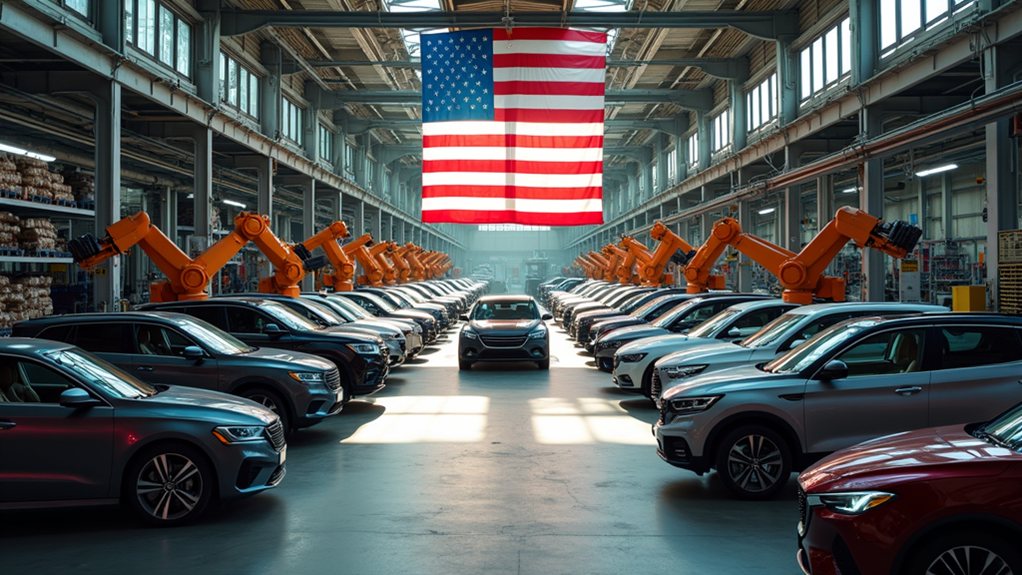
Automakers breathed a sigh of relief when President Trump announced a 30-day tariff exemption for vehicles traded under CUSMA/USMCA on March 6, 2025. This exemption comes after Trump imposed a hefty 25% tariff on imports from Canada and Mexico. It also follows an additional 10% tariff on vehicles from China. The exemption aims to give automakers like Ford, General Motors, and Stellantis time to adjust their supply chains and move production to the U.S.
Trump believes this move will encourage companies to shift their manufacturing to avoid future tariffs. The White House press secretary stated that the goal is to increase U.S. investment in the auto industry. The announcement followed discussions between Trump and leaders from the Big Three automakers. The exemption is designed to protect the U.S. auto industry from the immediate impacts of the tariffs.
Trump's exemption aims to promote U.S. manufacturing, following talks with major automakers to mitigate tariff impacts.
However, the tariffs are expected to raise vehicle prices greatly. Some models could see costs increase by up to $12,200. SUVs, small cars, and electric vehicles are likely to be affected the most. For instance, full-size SUVs may see a price hike of around $9,000, and pickup trucks could rise by $8,000. Automakers are worried about these potential increases. Domestic automakers may face significant sales loss due to higher prices.
Ford welcomed the exemption and reiterated its commitment to investing in the U.S. GM highlighted its existing assembly plants and ongoing investments as well. However, industry leaders are calling for a permanent solution, as the one-month reprieve may not be enough for long-term planning. Trade uncertainty complicates future investment planning for automotive companies, making it even more challenging to navigate the shifting landscape.
Shifting production is a complex challenge. Automakers need years and billions of dollars to make these changes. The tight timeline means they might focus on stockpiling cars and parts while they have the chance.
The tariffs are set to return on April 2, 2025, which raises concerns about the long-term health of the auto industry.