
Danish veterans are expressing deep anger and sadness over recent comments made by former President Donald Trump regarding NATO and Greenland. Many veterans feel betrayed after Trump suggested that the United States could seize Greenland for its strategic location and mineral resources. Martin Tamm Andersen, who led a Danish platoon in Afghanistan, was shocked by this talk. He sees it as a betrayal of the loyalty Denmark has shown to NATO.
Danish veterans feel betrayed by Trump’s comments on seizing Greenland, viewing them as a betrayal of NATO loyalty.
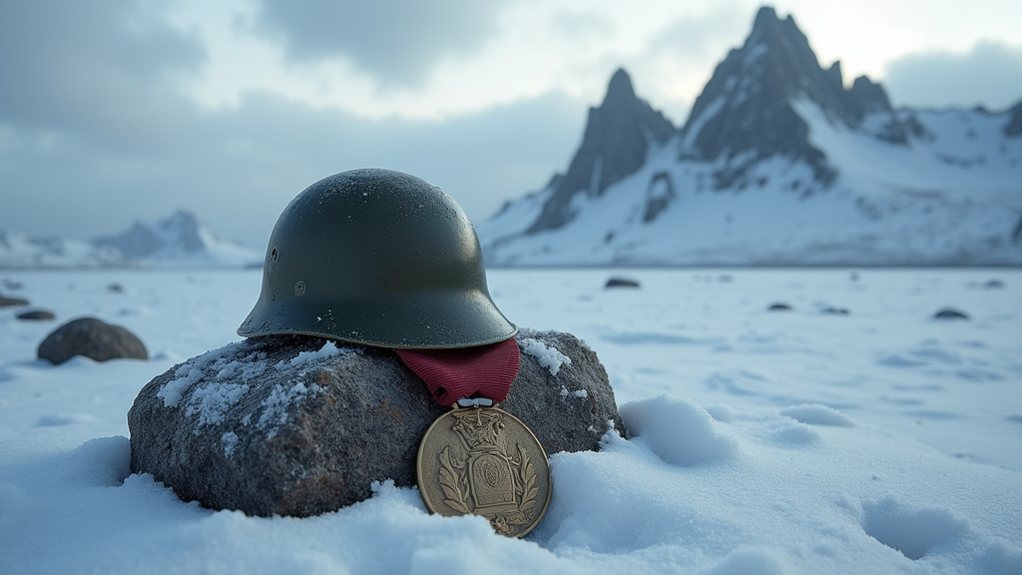
Søren Knudsen, a veteran who served twice in Afghanistan and is now the deputy president of the Danish Veterans Association, shares the feelings of many. He hears daily sorrow from fellow veterans about the situation. Knudsen believes that a U.S. invasion of Greenland would destroy the NATO alliance and shatter the respect he has for America. He removed his U.S. Bronze Star and flag from display after hearing comments from American politician JD Vance, who criticized Denmark as a bad ally. [More than 2,200 American troops died in Afghanistan; 457 British, 150 Canadian, and 90 French troops also lost lives, highlighting the shared sacrifices made by NATO forces.]
Denmark has lost 44 soldiers in Afghanistan, the highest per capita death toll among coalition forces. Danish troops have fought alongside U.S. Marines, putting their lives on the line to protect shared interests and democracy. Veterans emphasize the bonds they forged during these tough times. They feel that Trump’s remarks ignore the sacrifices made by their comrades in arms.
The rhetoric surrounding Greenland and NATO has only intensified feelings of sadness and betrayal among Danish veterans. They describe the situation as surreal, almost like a bad joke. They’re hurt that their sacrifices are dismissed by those in power.
European leaders, including Denmark’s Prime Minister, have warned that a U.S. takeover of Greenland could end NATO, a sentiment echoed by other NATO allies.
As these veterans reflect on their service, they find it hard to understand the current political climate. Despite the leadership’s views, their personal bonds with U.S. troops remain strong.