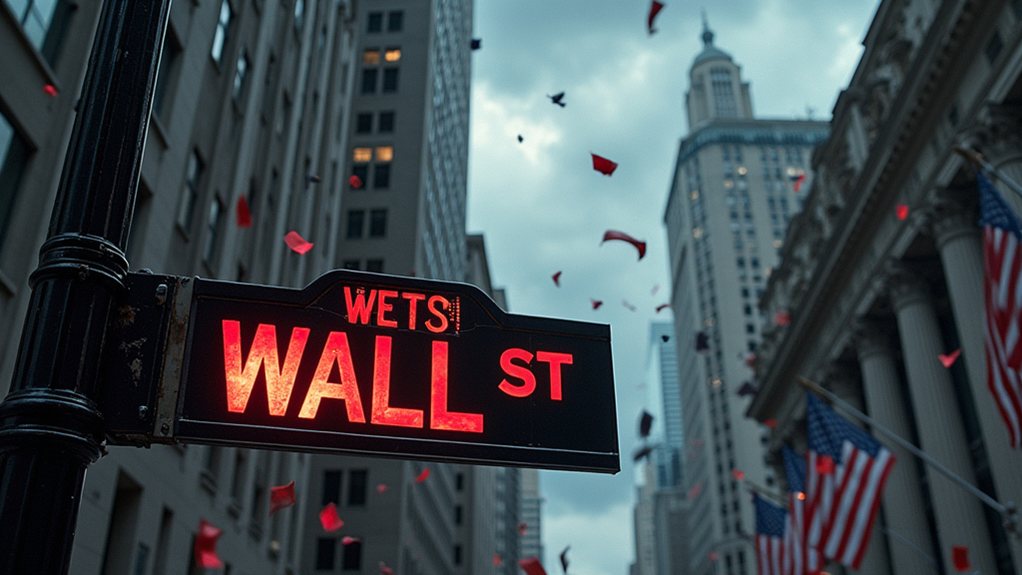
The Dow Jones Industrial Average soared on Thursday after President Trump announced the cancellation of tariff threats against eight European countries. This news was welcomed by investors who had been worried about the possible economic impact of these tariffs. The president’s decision came just days before the tariffs were set to take effect on February 1.
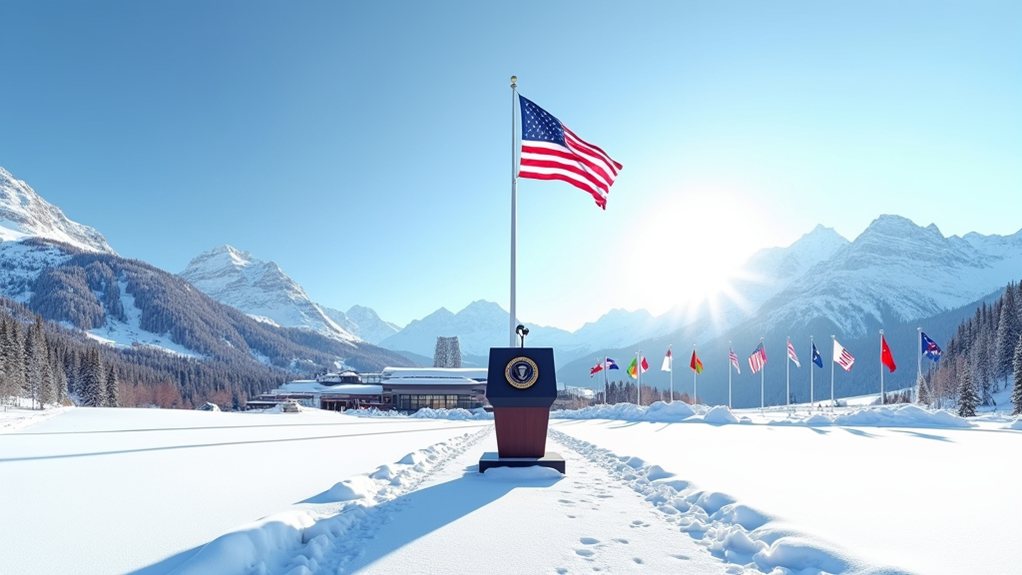
Many believe this reversal was part of a larger strategy connected to ongoing discussions about Greenland and Arctic security, highlighted during a meeting with NATO Secretary General Mark Rutte at the Davos summit. Analysts noted that the market response reflected expected changes in Trump’s position, which contributed to the overall optimism.
The market’s response was significant. The Dow climbed 588.64 points to close at 49,077.23, marking a gain of 1.2%. The S&P 500 and the Nasdaq Composite also saw increases, closing at 6,875.62 and 23,224.82, respectively. The Russell 2000 small-cap index led the gains with a 2.0% rise. Professional liquidity in the market allowed for more dynamic trading, contributing to the upward momentum.
The Dow surged 588.64 points, closing at 49,077.23, while the S&P 500 and Nasdaq also gained significantly.
Overall, the S&P 500 recorded its best daily gain since late November. Investor sentiment improved as volatility decreased. The VXX volatility ETF dropped by 9.15%. This drop is typical when fears about trade tensions ease.
Lower volatility usually means investors feel more confident about the market’s direction. With the removal of the tariff threats, investors shifted their focus back to growth sectors, particularly technology and industrial stocks, which benefited from lower Treasury yields.
The bond market responded positively, with the 10-year Treasury yield falling to about 4.25%. This decline in yields supports higher stock prices because it lowers the future profits’ discount rate. As yields fall, the valuations in growth and technology sectors improve.
Globally, markets reacted to the news positively. Asian shares rose, with Japan, South Korea, and Australia seeing increases. The easing of trade tensions not only boosted U.S. markets but also reflected optimism in international markets, showcasing a collective sigh of relief among investors.