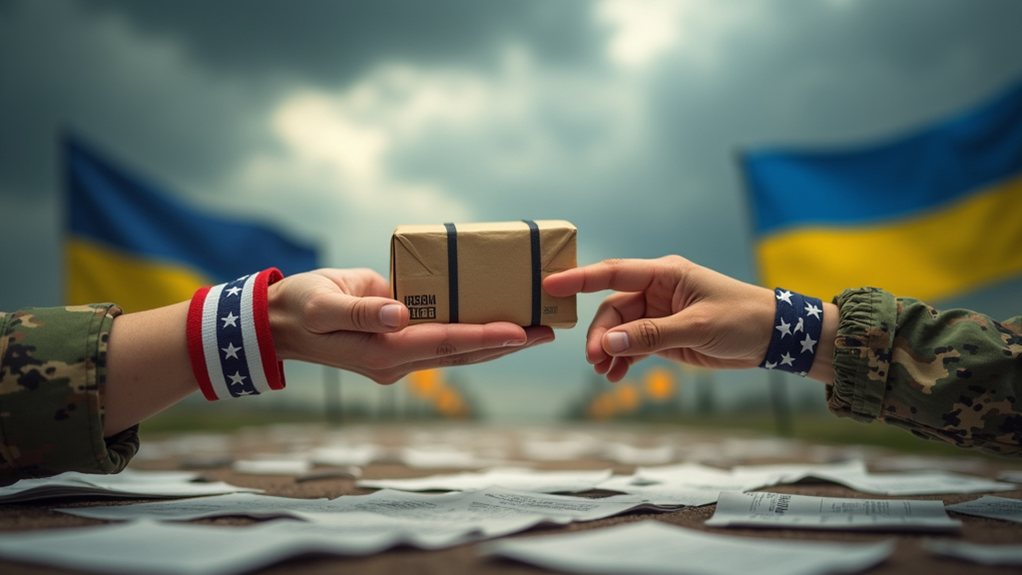

Germany has raised alarms over the potential return of Donald Trump to power, warning that it could disrupt the transatlantic order. German leaders have emphasized the importance of European unity in facing unpredictable political changes. They believe that a strong, coordinated Europe is essential for solid negotiations with the United States.
Germany warns that Donald Trump’s potential return could disrupt the transatlantic order, emphasizing the need for European unity in unpredictable times.
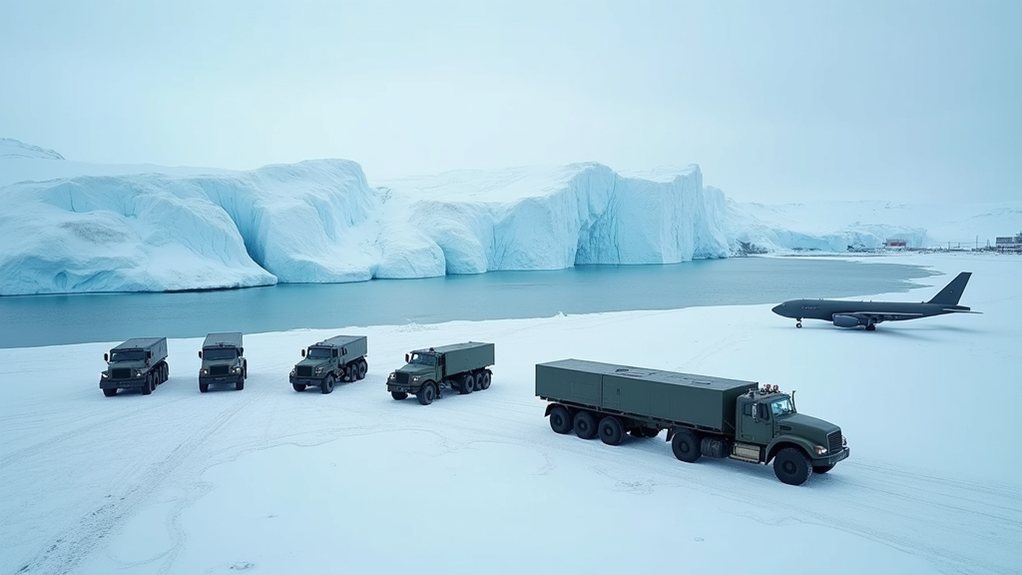
Historically, Trump’s past demands, like the acquisition of Greenland, were met with united European resistance. This collective pushback forced him to back down from aggressive demands. German Vice Chancellor Lars Klingbeil credited this European resolve for the de-escalation of tensions. Chancellor Friedrich Merz stated that “unity and determination on the European side can indeed make a difference.” The recent de-escalation in the Greenland dispute is framed as a collective European achievement.
Germany’s government underscored that solidarity among EU members is critical for negotiating from a position of strength. Additionally, EU leaders recently welcomed Trump’s decision to drop tariff threats against European nations, which reflects the ongoing complexities of transatlantic relations.
Trump’s unpredictability remains a concern. He dropped threats regarding tariffs on European nations supporting Denmark after his initial aggressive stance. However, doubts linger about his future policy commitments. Sources suggest that “nothing suggests that the unpredictable U.S. leader won’t change his mind again.” His threats of 200% tariffs on French wines when President Macron declined to join his Board of Peace initiative highlight this uncertainty.
On the issue of sovereignty, Danish Prime Minister Mette Frederiksen insisted that Denmark wouldn’t bargain over Greenland’s national sovereignty. Denmark has also called for a permanent NATO presence in the Arctic region.
Meanwhile, European nations view Arctic security coordination as crucial for regional stability.
As for Trump’s Board of Peace initiative, many EU leaders expressed serious doubts about its compatibility with the U.N. Charter. Countries like Norway, Slovenia, and Sweden declined invitations to join, while Germany offered only a noncommittal response.
In contrast, Hungary and Bulgaria accepted the invitation. This mixed response reflects the cautious approach many European leaders are taking as they prepare for a potential return of Trump and the challenges that could bring to their partnerships.