As thousands marched through Minneapolis, they protested against the recent crackdown by Immigration and Customs Enforcement (ICE). This operation, called Operation Metro Surge, targeted neighborhoods like Cedar-Riverside and Powderhorn Park. It involved raids, detentions, and even the use of pepper balls and tear gas against crowds. Many residents felt the operation was connected to the Trump administration’s strict immigration policies.
Thousands protested in Minneapolis against ICE’s Operation Metro Surge, which targeted local neighborhoods and raised concerns over harsh immigration enforcement.
The protests began to escalate after troubling incidents where U.S. citizens were wrongly detained. For example, on December 9, a 55-year-old man observing an ICE action was detained. Just a day later, a 20-year-old man was tackled and detained despite clearly stating his citizenship. These events increased tensions in the community.
On January 13, during an ICE raid in Powderhorn Park, agents fired tear gas and shot a suspect. Schools were forced to close as the situation worsened. Operation Metro Surge resulted in the arrest of 2,400 individuals and caused significant disruptions to Minnesota’s economy and civil society.
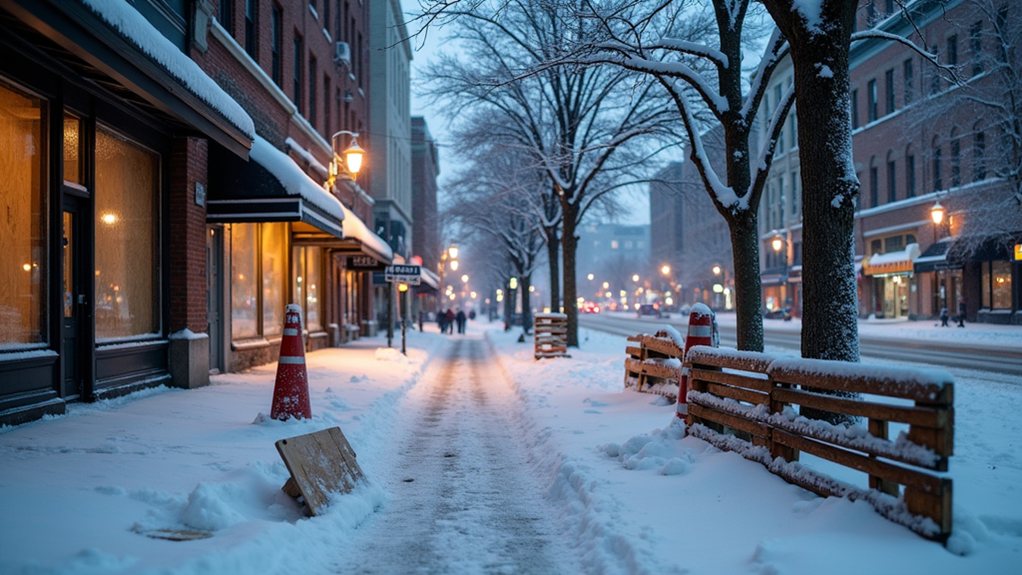
On January 23, thousands gathered for the “ICE Out of MN: Day of Truth and Freedom.” They marched from U.S. Bank Stadium to the Target Center, braving freezing temperatures. Organizers estimated around 50,000 people participated, with more than 700 businesses closing in solidarity. The freezing cold did not stop the protesters, who were determined to voice their concerns. Approximately 300 businesses closed to support anti-ICE protests, while some remained open to provide food and community support.
Minneapolis Mayor Jacob Frey criticized ICE, calling their actions unconstitutional and discriminatory. Meanwhile, police reported that the protests led to property damage and injuries. Tensions rose as local officials and federal agents exchanged blame over the situation.
Hundreds of business owners supported the protests, and labor unions organized a general strike against ICE’s actions.
As the protests continued, reports of children being detained fueled anger among the demonstrators. The community rallied together, united in their call for justice and change. The events in Minneapolis highlighted growing concerns over immigration enforcement and its impact on families and neighborhoods.