
As protests erupted across Iran, former President Donald Trump‘s strategy focused on a mix of military readiness, diplomatic efforts, and economic pressure. The protests, marked by severe crackdowns and internet blackouts, challenged the Iranian regime in ways not seen before. Various social groups took to the streets, demanding change.
Amidst the chaos, Trump warned that killing demonstrators could lead to serious consequences for the regime. He claimed that threats from the U.S. had prevented the execution of over 800 protesters, emphasizing the importance of international scrutiny.
Trump cautioned that the killing of demonstrators could provoke severe repercussions for the Iranian regime, highlighting the impact of U.S. threats.
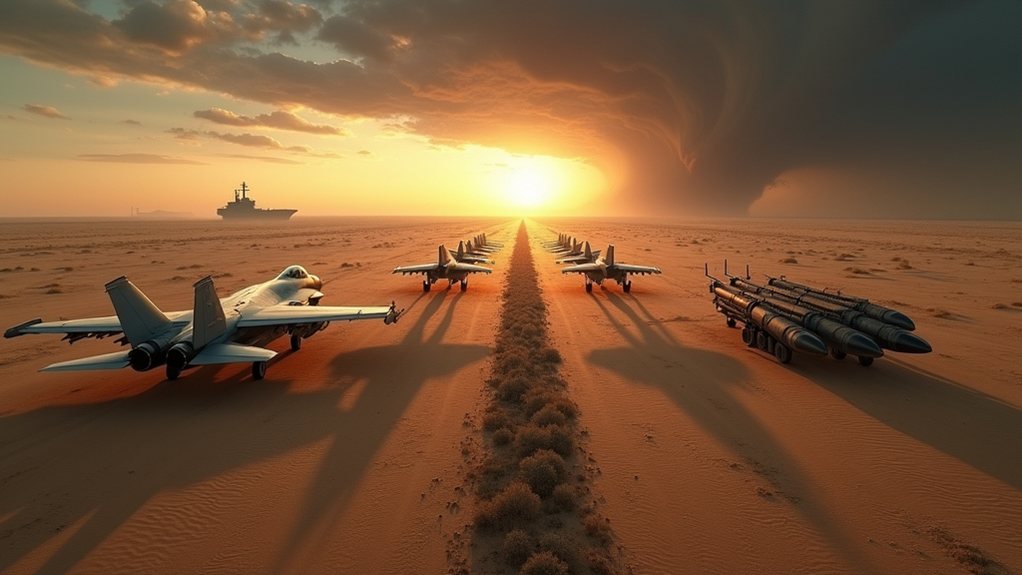
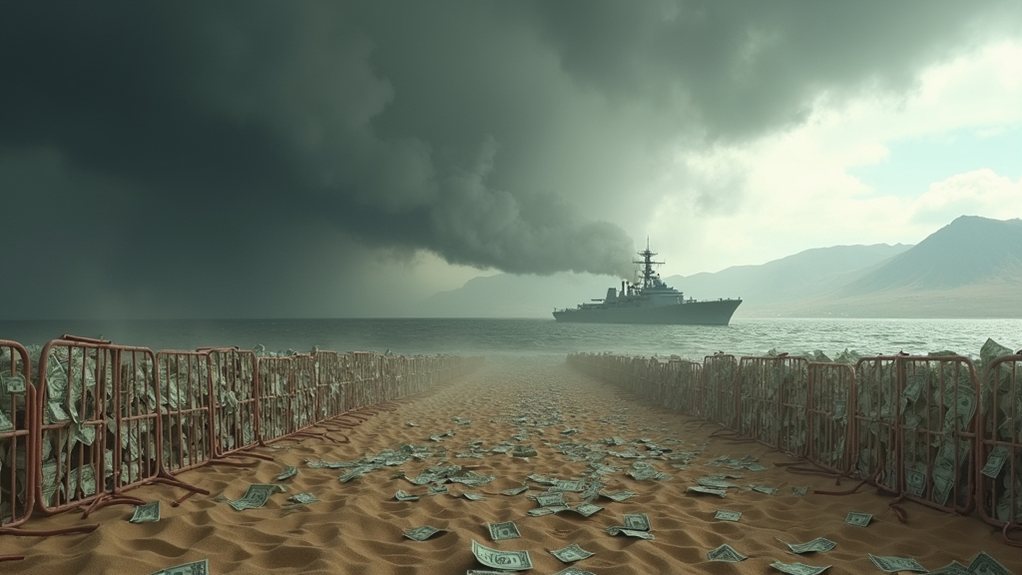
In response to the unrest, the U.S. deployed a large naval armada near Iran, including the USS Abraham Lincoln. This military presence was bigger than forces sent to Venezuela and aimed to deter Iranian aggression. The military was ready for any directives from Trump, who considered strikes against Iranian targets due to protester deaths. Although he postponed this decision, the threat of force remained an option if violence escalated.
Trump’s approach included diplomatic efforts as well. He believed Iran wanted a deal and reached out for negotiations. However, the U.S. set strict conditions, including limits on enriched uranium and missile development. While Iran showed some willingness to engage, they rejected the specific terms proposed by Trump. This situation highlights the challenges in enforcing the U.S. conditions for a deal, especially regarding the removal of all enriched uranium from Iran.]
Trump’s strategy aimed to exploit Iran’s vulnerabilities, linking internal repression to international consequences. He wanted Iran to feel the pressure, both economically and militarily, to force their compliance. Since withdrawing from the nuclear deal in 2018, the U.S. imposed maximum pressure sanctions, including a proposed 25% tariff on any country or company doing business with Iran.
With the backdrop of ongoing protests and a strained economy, Trump’s focus on punishment over peace sought to guarantee Iran could not misjudge U.S. resolve. His goal was to permanently limit Iran’s nuclear ambitions and regional role, hoping to avoid new military actions if Iran halted its nuclear program.